

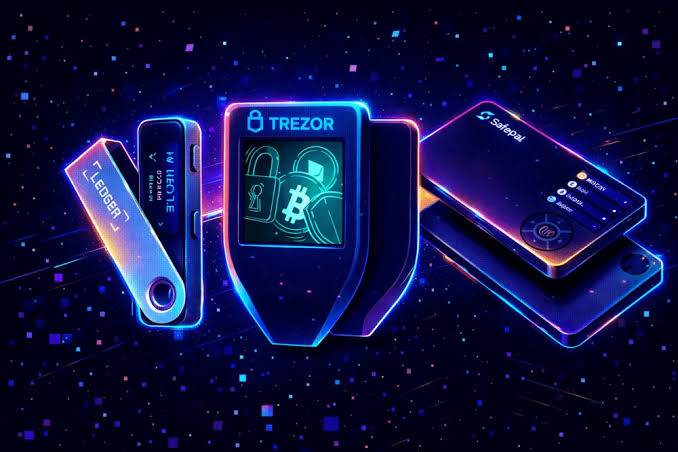
Choosing the crypto wallet in 2026 is essential for protecting digital assets managing cryptocurrency transactions and maintaining control over private keys. With Bitcoin, Ethereum and other digital currencies attracting attention investors need a reliable wallet that balances security, convenience and supported blockchain networks.
In this guide we compare the crypto wallets of 2026 including hardware and software options to help beginners and experienced cryptocurrency users make an informed decision.

What Is a Crypto Wallet?
A cryptocurrency wallet is a tool that manages the keys required to access and authorize transactions involving digital assets. Unlike a bank account a self-custody crypto wallet gives users control over their keys and funds.
Crypto wallets generally fall into two categories: wallets and cold wallets. Hot wallets connect to the internet. Offer convenient access for daily transactions. Cold wallets keep keys offline reducing exposure to many online threats.
Top 5 Best Crypto Wallets in 2026
1. Ledger. Best Hardware Crypto Wallet
Ledger is a choice for users seeking secure long-term cryptocurrency storage. Its hardware wallets keep keys inside a dedicated device and require transaction approval on the device itself.
Key features:
Offline private-key storage
Support for cryptocurrencies
Companion software for portfolio management
Compatibility with selected decentralized applications
Ledger is particularly suitable for investors holding significant crypto balances over longer periods. However users should purchase devices through channels and carefully protect their recovery phrase.
2. Trezor. Best Wallet for Open-Source Security
Trezor offers hardware wallets designed to provide key protection and transparent security practices. Its open-source approach appeals to users who value examination of wallet software.
Key features:
Offline transaction signing
Open-source software and firmware components
Recovery and backup options
Support for multiple cryptocurrencies
Trezor is an option for security-conscious investors who prioritize transparency. Supported assets and features vary by device model.
3. MetaMask. Best Ethereum and DeFi Wallet
MetaMask is widely used to access Ethereum-based applications, decentralized finance platforms and Web3 services. It is available as a browser extension and mobile application.
Key features:
Access to supported applications
Token management and cryptocurrency swaps
Compatibility with Ethereum and supported networks
Integration with selected hardware wallets
MetaMask is convenient for active DeFi users but its internet-connected environment creates risks that offline storage can help reduce.
4. Trust Wallet. Best Mobile Crypto Wallet
Trust Wallet is designed for users who want to manage assets from a smartphone. Its multichain capabilities make it attractive to people holding cryptocurrencies.
Key features:
first wallet experience
Support for numerous blockchain networks
Token management and Web3 access
Self-custody of private keys
Trust Wallet can suit beginners who prefer mobile access although users should verify network compatibility and download the genuine application.
5. Exodus. Best Crypto Wallet for Beginners
Exodus provides an interface for managing cryptocurrency portfolios on supported desktop and mobile platforms. Its straightforward design can make digital asset management easier for newcomers.
Key features:
User- portfolio dashboard
Desktop and mobile options
Support for multiple digital assets
Selected exchange and hardware wallet integrations
Exodus is worth considering for convenience but beginners should understand transaction fees and backup procedures before transferring substantial funds.
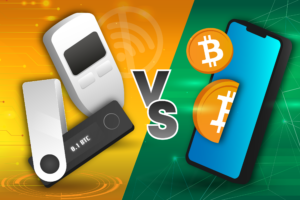
Hardware Wallet vs. Software Wallet
A hardware wallet is generally preferable for long-term storage because private keys remain offline. A software wallet is more convenient for transactions, token swaps and decentralized applications.
Hardware wallets usually involve a purchase while many software wallets are free to download. However blockchain network fees and optional transaction services may still apply.
The right choice depends on your security requirements, budget, technical experience and intended use.
How to Choose a Secure Crypto Wallet
Before choosing a wallet evaluate these factors:
Security: Look for key protection, transaction verification and security updates.
Supported cryptocurrencies: Confirm compatibility with your coins and networks.
Recovery options: back up your recovery phrase and never share it.
Fees: Compare network fees and any additional swap or service charges.
Usability: Choose an interface that matches your experience level.
Never enter your recovery phrase on a website or disclose it to someone claiming to provide wallet support.
Final Verdict
The best crypto wallets, in 2026 depend on your priorities. Ledger and Trezor are worth comparing for hardware security MetaMask suits DeFi users Trust Wallet offers convenient mobile access and Exodus emphasizes ease of use.
Before selecting a wallet verify its features supported assets and recovery procedures. Cryptocurrency carries financial risk and no wallet can eliminate every threat.
Komentar Ditutup! Anda tidak dapat mengirimkan komentar pada artikel ini.